BOUND / UNBOUND
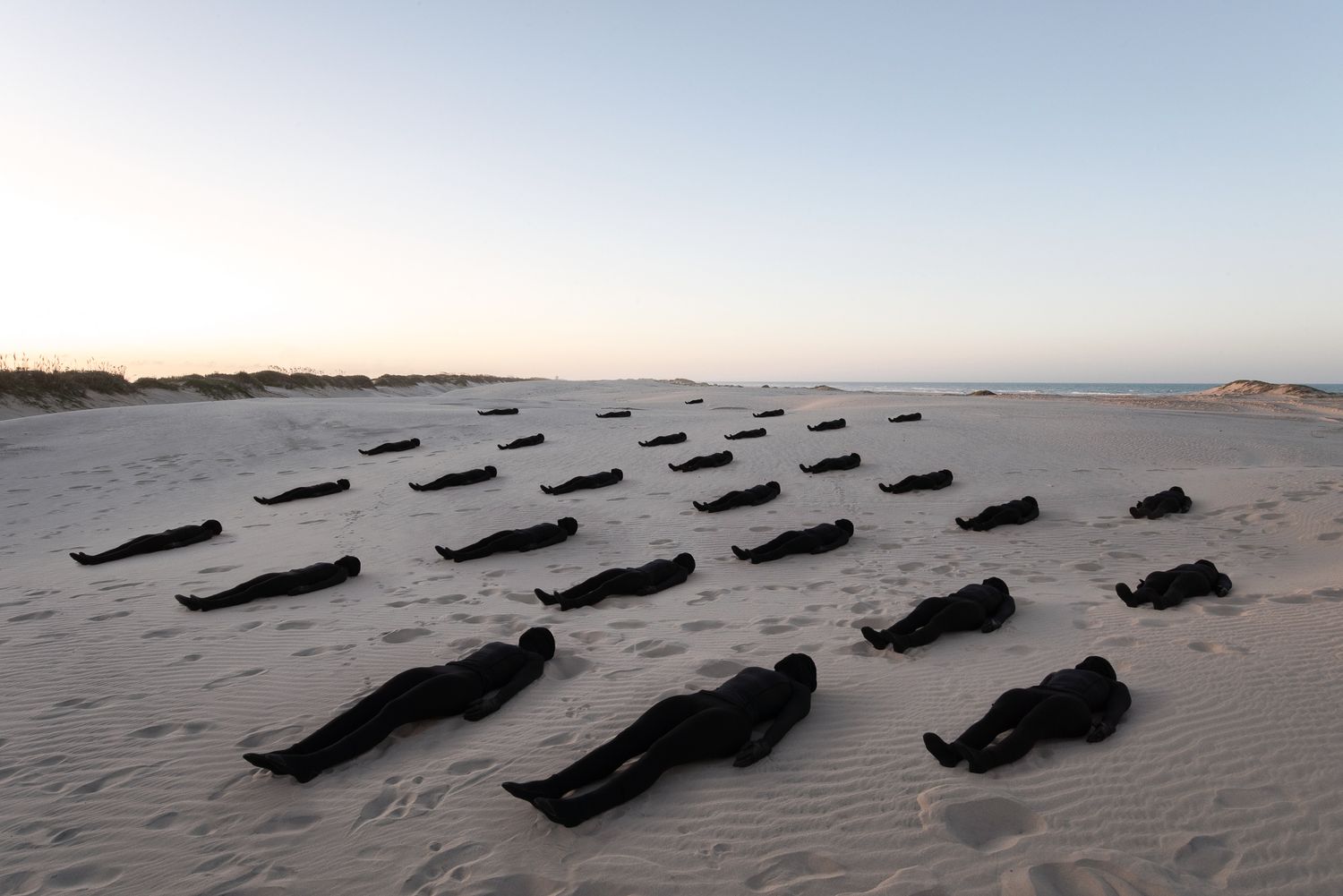
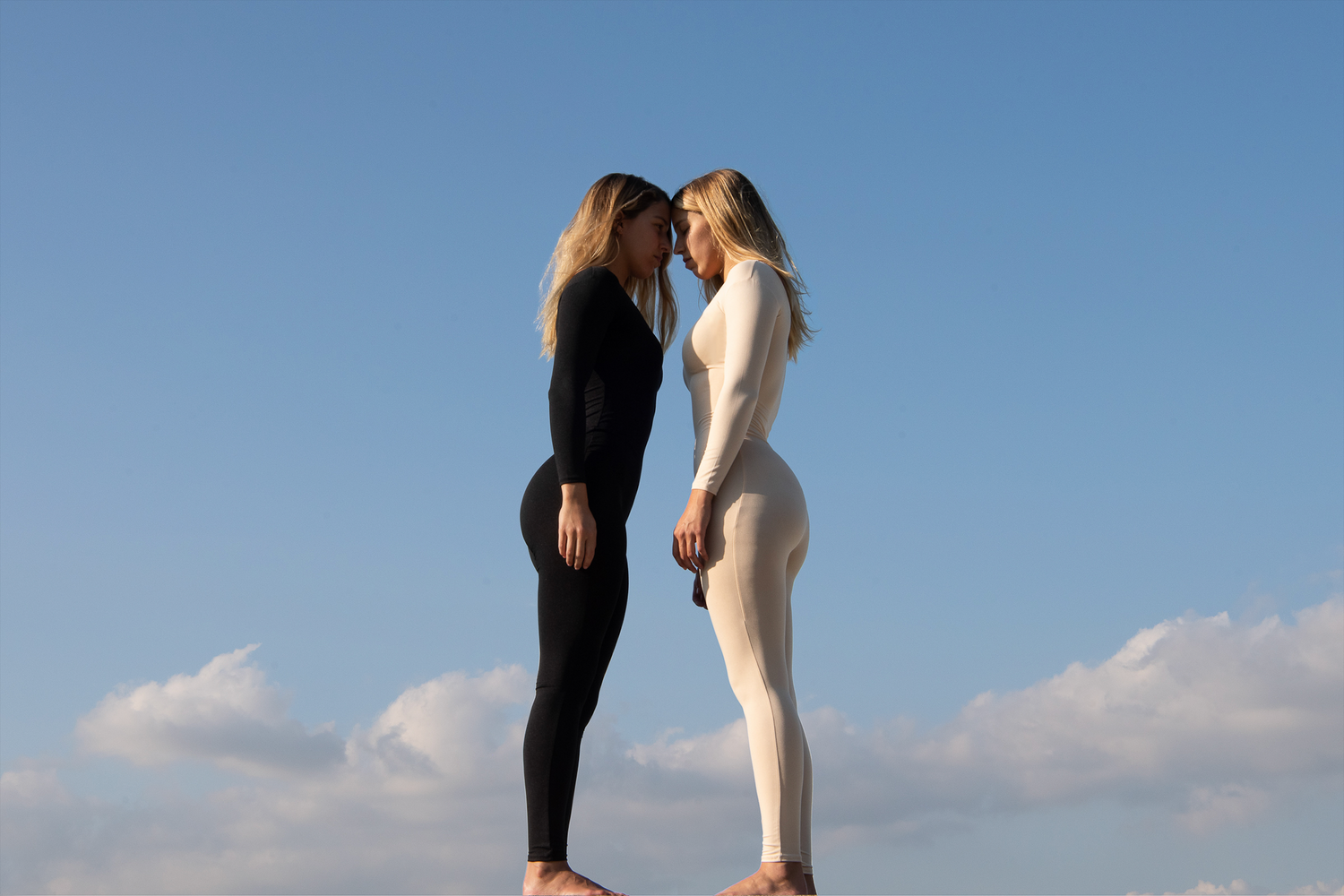
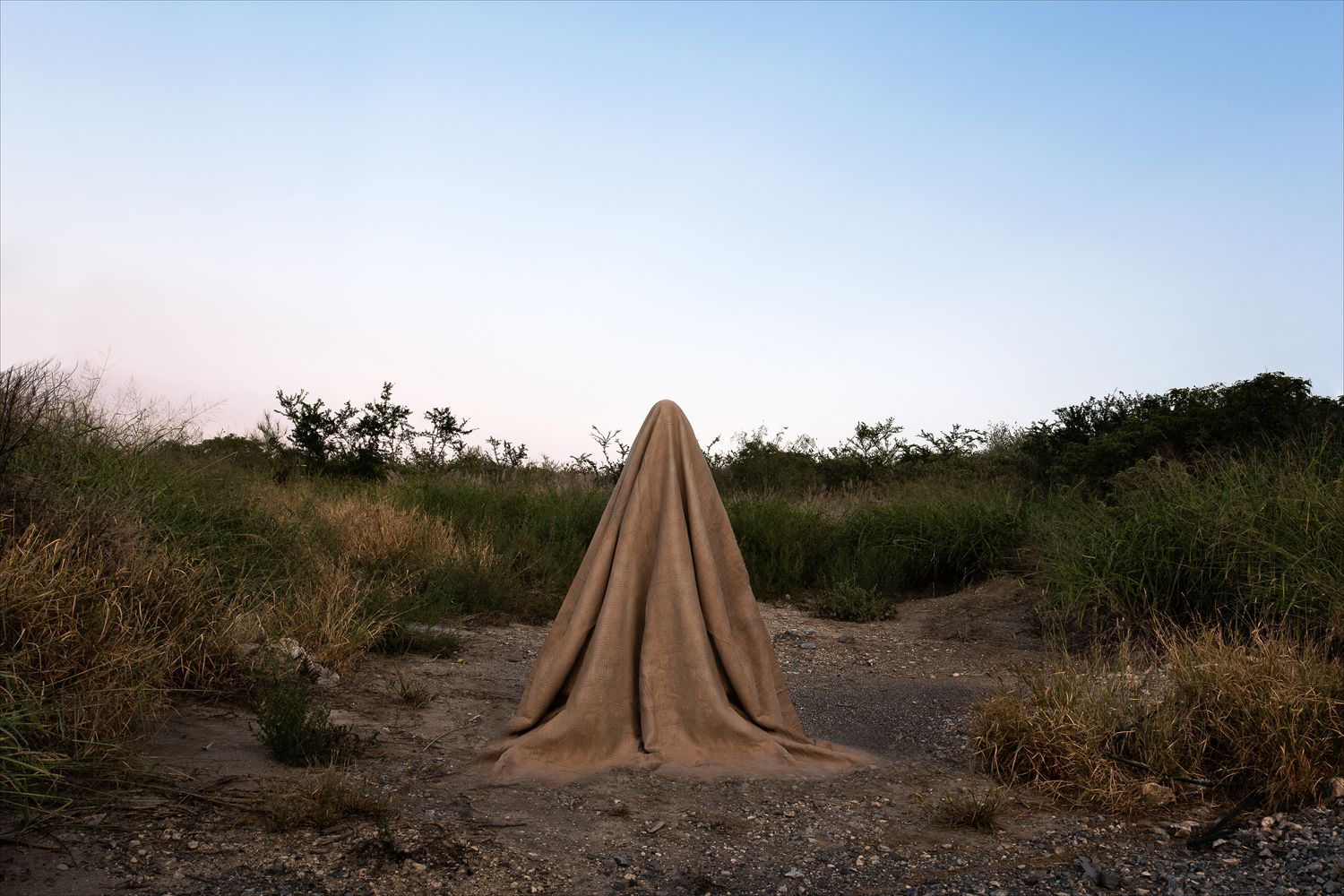
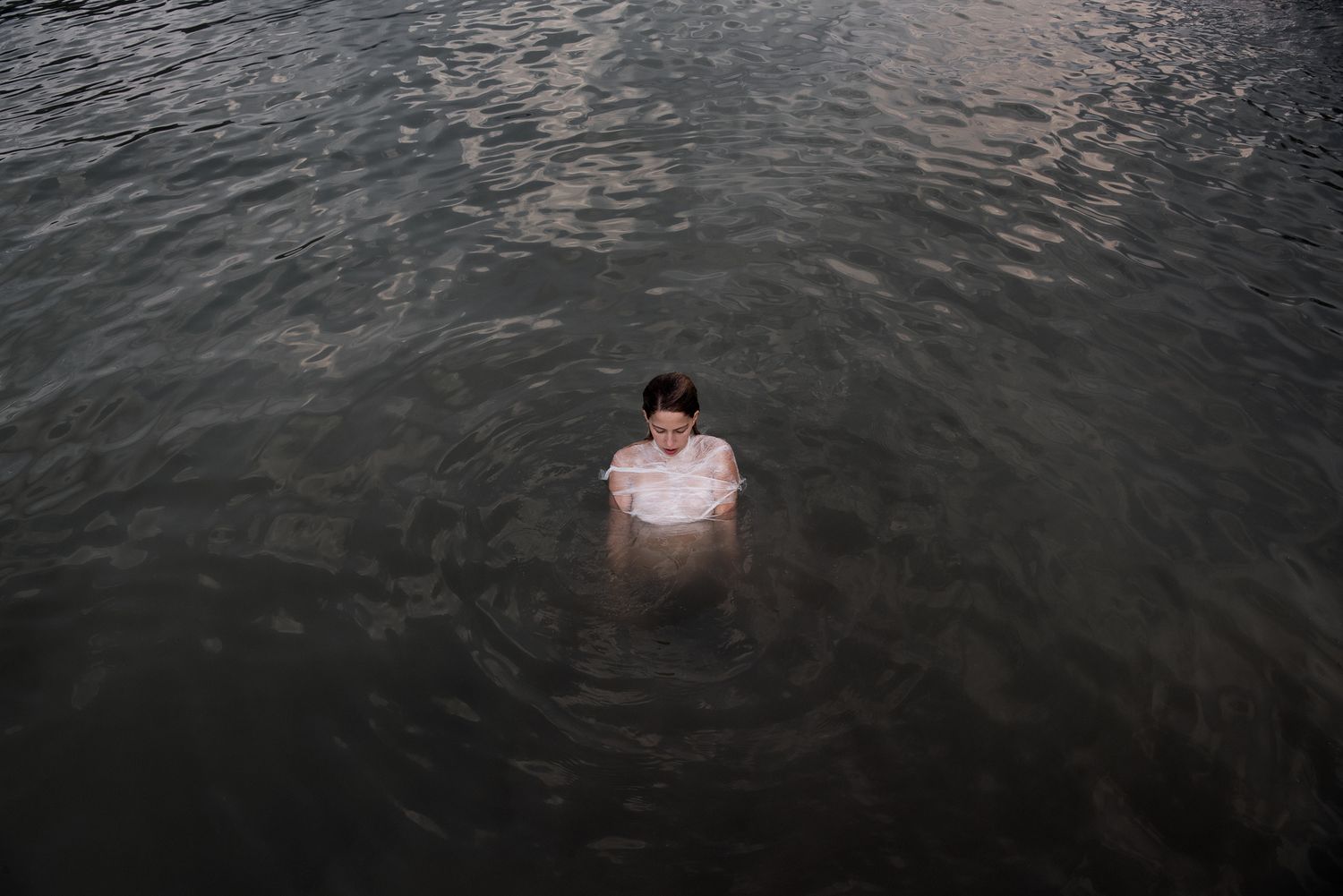
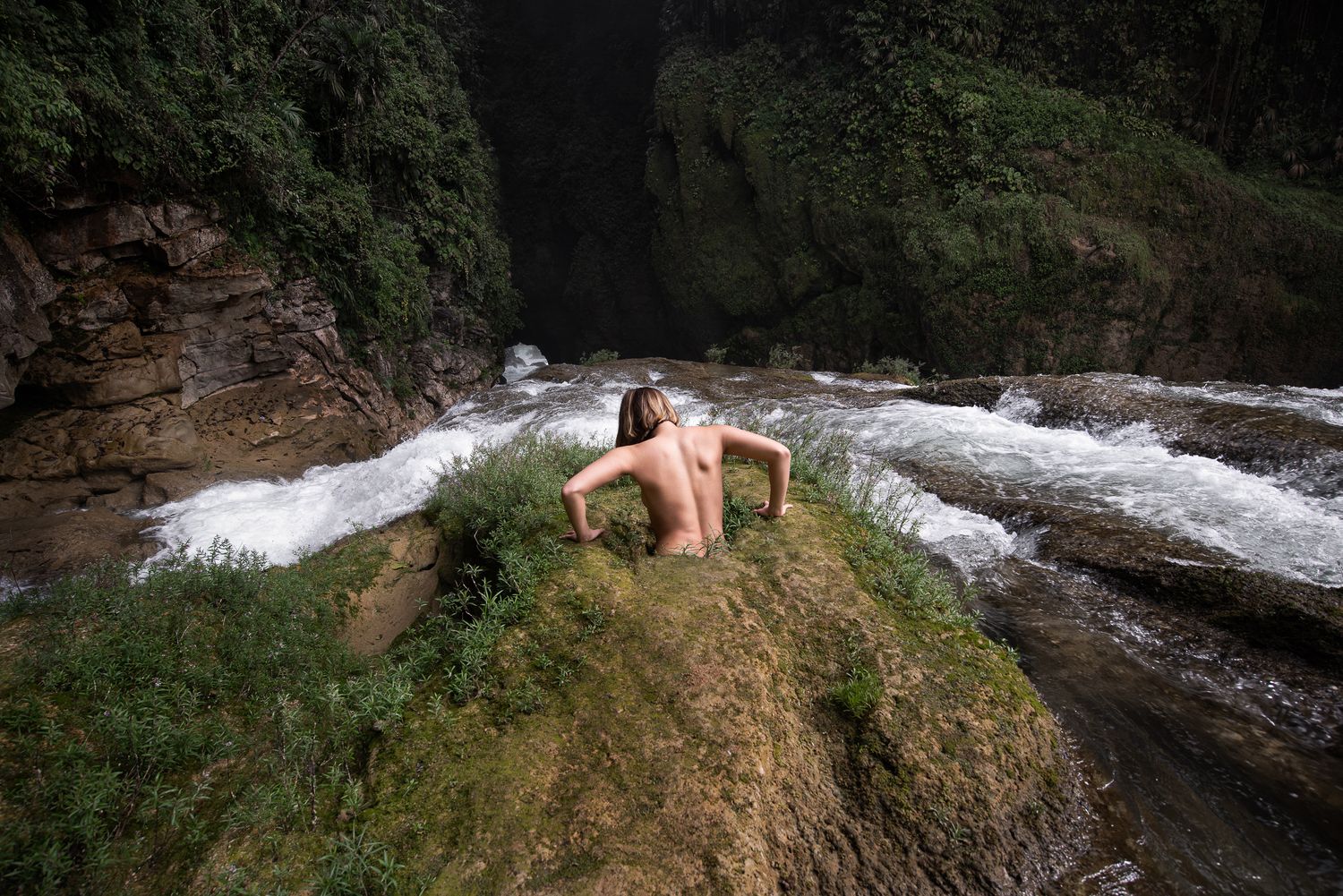
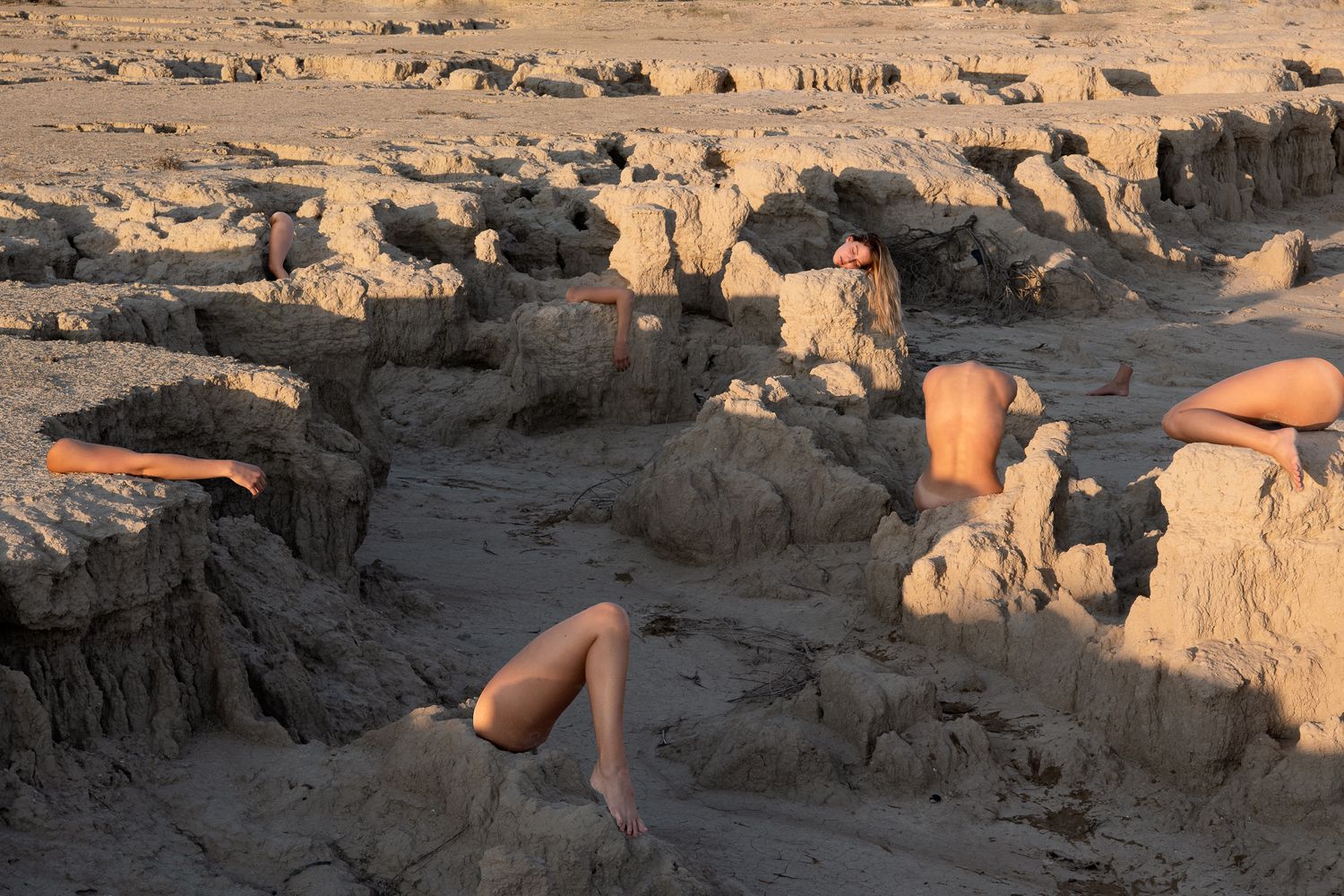
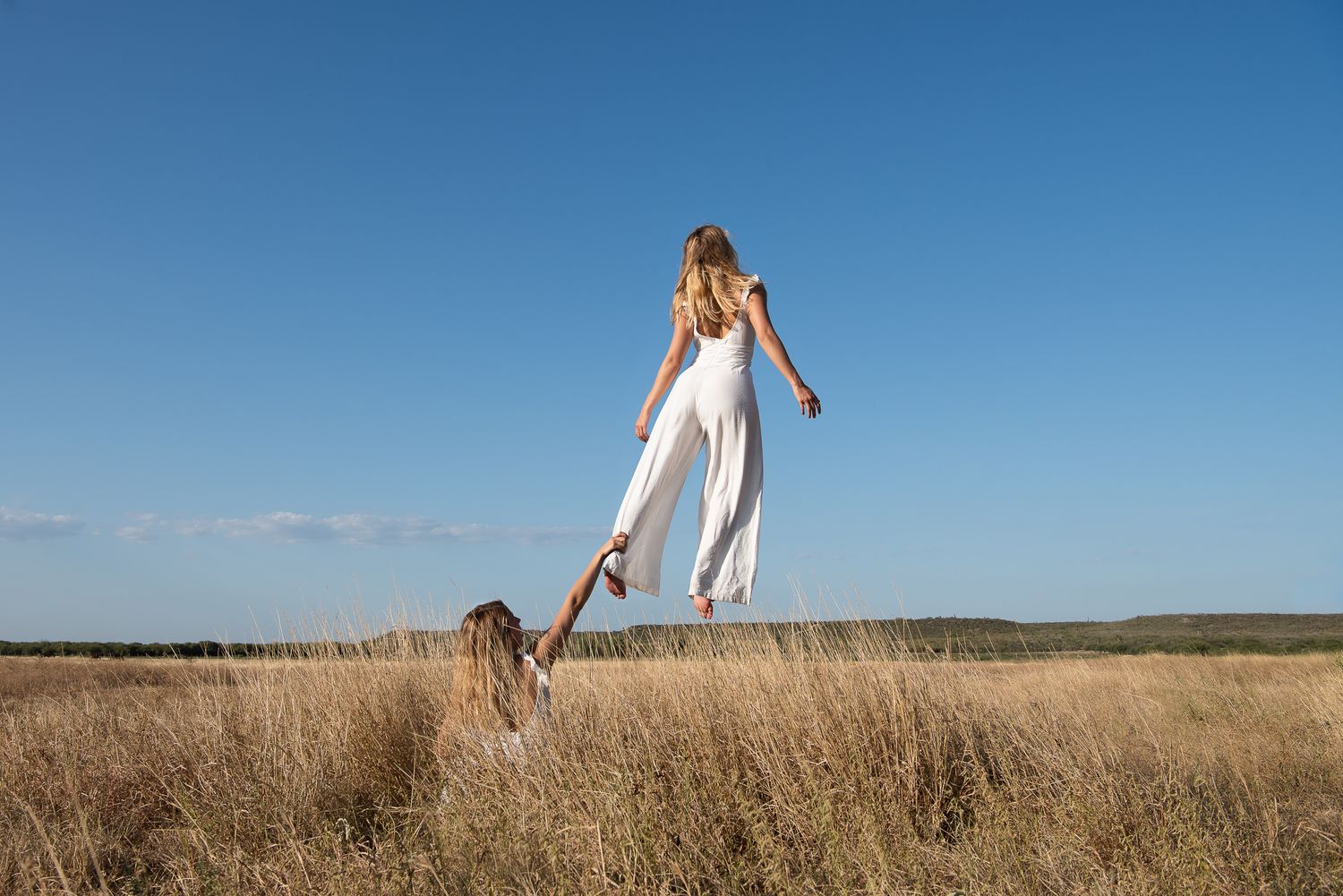
Bound / Unbound, Paloma Herrera
By: Violetta Ruiz
“I am monarch of all I survey,
My right there is none to dispute.”
Walden, Thoreau.
Where I lived, and what I lived for. That's the title of a fragment from Walden, an experimental and performative poetic exercise by the writer Henry David Thoreau. As an act of resistance against the system, the man retreats into the woods (we could say he retreats into himself). After this experience, he calls to memory, "except for a boat", he writes, "a tent is the only thing that has been mine." And yet, this sort of floating house, after changing hands multiple times, has "been lost in the current of time." It's not only the manifest home that transforms or is lost with the passage of years — crumbling and moldy walls — nor is it the only thing that takes root in memory facing the possibility of oblivion. In the rooms of the mind, memory and desire take on different configurations and are never what one expects. What is evoked and the future are forests blurred by mist.
Paloma Herrera has not retreated to the forest, but the neural network — the foliage that constructs the inner quest — is equally complex and labyrinthine. This is key in Bound/Unbound, (titled Fragmentación in spanish), a photographic project presented in seven chapters that depict the personal experience of the journey inward, put into perspective with the often disappointing concrete reality. Each frame explores how the pursuit of desire encounters the harshness of an environment that appears rugged to youthful vitality. Finding out who one truly is always an act of resistance, ultimately thwarted by the impossibility of grasping it all. There is a flame that burns within but is exhausted by what one is expected to be.
Paloma Herrera's work highlights this contradiction in which most people live: a dissent between desire and societal expectations, a blow to our most natural impulses by what is expected of us upon reaching maturity. There is even a contradiction between the drive of our desire and what we believe we think by conviction. Each photograph portrays the internal struggle that holds us back and puts a pause on the flight towards the realization of our most authentic desires. Chapter after chapter reveals the internal disagreement manifested by Consciousness, Internal Conflict, Attachments, Impotence, Lack of Control, Freedom, and...
Looking at these images is approaching a subtle, even poetic narrative of this transformation process that seems exclusive to the transition from adolescence to adulthood but invariably encompasses other stages of life that demand that we behave maturely, whatever this word means to oneself. Thoreau says, "I do not need to be on the outskirts to breathe, for the atmosphere inside my tent has not lost its freshness"; we could say that looking inward produces the same oxygenation, a way to nourish desire again in that incessant effort to have control over who we are when everything outside forces us to be someone else, when being ourselves is a journey on a raft that never ends.